


Fein Power Tools
Fein ASCM 18-4 QMP AS Cordless Hammer Drill/Driver 18V
Regular price CA$503.00Unit price /UnavailableVery low stock (1 unit)
 Sale
SaleDewalt
DeWalt DCD805B 20V MAX XR Brushless 1/2 in. Hammer Drill/Driver (Bare Tool)
Sale price CA$219.00 Regular price CA$239.00Unit price /UnavailableVery low stock (1 unit)

Dewalt
DeWalt DCD806B 20V MAX XR Brushless 1/2 in. Hammer Drill (Bare Tool)
Regular price CA$249.00Unit price /UnavailableVery low stock (1 unit)

Makita
Makita Hammer Driver-Drill 18V LXT 1/2 in (Tool Only) DHP489Z
Regular price CA$234.00Unit price /UnavailableLow stock (3 units) Sold out
Makita
Makita 18V LXT 1/2" Brushless Impact Drill/Driver (Tool) DHP486Z
Regular price CA$279.00Unit price /Unavailable

Makita
Makita DHP482Z Cordless Hammer Driver-Drill 18V LXT (Bare Tool)
Regular price CA$159.00Unit price /UnavailableVery low stock (2 units)

Makita
Makita Hammer Drill-Driver 18V LXT 2-Speed 1/2 in DHP458Z
Regular price CA$189.00Unit price /UnavailableVery low stock (2 units)


Our recommendations
-
 Sold out
 -


Dewalt
DEWALT DCB2104 4AH POWERPACK BATTERY
Regular price CA$199.00Unit price /UnavailableLow stock (4 units) -

 Sold out
 -

 Sale
SaleDewalt
DeWalt 20V MAX POWERSTACK 3.5 Ah DCBP318 battery
Sale price CA$199.00 Regular price CA$249.00Unit price /UnavailableLow stock (10 units) -
 Sold out
 -

Makita
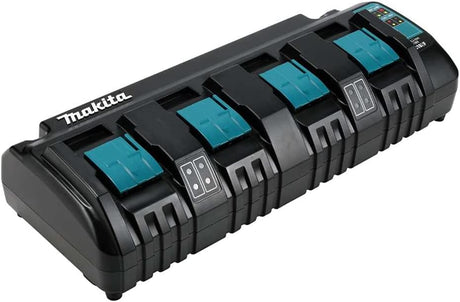
6AH 18V BATTERY. LITHIUM-ION MAKITA BL1860B 1974224
Regular price CA$189.00Unit price /UnavailableLow stock (3 units) -


Makita
Battery Makita 18V 5.0 Ah Lithium-Ion LXT BL1850B
Regular price CA$199.00Unit price /UnavailableIn stock (33 units) -


Makita
Makita 40V Max XGT 5.0 Ah Lithium-Ion BL4050F Battery
Regular price CA$329.00Unit price /UnavailableVery low stock (2 units) -
 Sold out
 -
 Sold out
 -
 Sold out




Complete guide to choosing your cordless hammer drill
What is a hammer drill and what materials is it designed for?
In standard drill mode (without hammer action activated), these tools operate exactly like a conventional drill driver for wood, metal, and composite materials. Switching between the two modes is generally done via a selector ring or a dedicated position on the mode selector in less than two seconds. This versatility makes it the tool of choice for professionals who alternate between hard substrates and common tasks on the same job site, without wanting to carry two separate tools.
Hammer drill versus rotary hammer: knowing when to switch tools
A SDS-Plus rotary hammer uses an electropneumatic mechanism generating 1.5 to 3.0 joules of impact energy, two to five times more than a hammer drill. It is essential for high-strength reinforced concrete, dense foundations, holes larger than 13 mm, and demolition applications. For structural anchors in foundations or reinforced concrete slabs, using a hammer drill instead of a rotary hammer risks damaging the tool and producing holes outside of required tolerance.
DeWalt and Makita Models: The Leading Impact Drills for Professionals
On the Makita side, the DHP482Z (62 Nm) and DHP486Z brushless (115 Nm) models cover everyday applications and intensive use on medium-density concrete, respectively. XPT technology provides enhanced protection against concrete dust and water splashes, two permanent realities of outdoor masonry drilling. Both Makita drills run on interchangeable LXT 18V batteries compatible with the entire existing Makita tool inventory.
Professional applications: who uses hammer drills and for what jobs?
Tile installers and flooring contractors drill into concrete substrates for profile and trim anchor fasteners. General contractors use them for common anchors in concrete block, bottom plate fastening to slabs, and lightweight structural supports. In all these applications, the 30,000-blow-per-minute percussion mode of DeWalt and Makita drills covers the full range of tasks without requiring a separate rotary hammer.
Safety and best practices for concrete and masonry drilling
For elevated work, a hard hat is mandatory on commercial job sites across Canada. Lubricating masonry bits every 5 to 10 holes in very hard substrates reduces friction heat and extends their service life. These best practices apply regardless of the cordless hammer drill model used on the job site.