
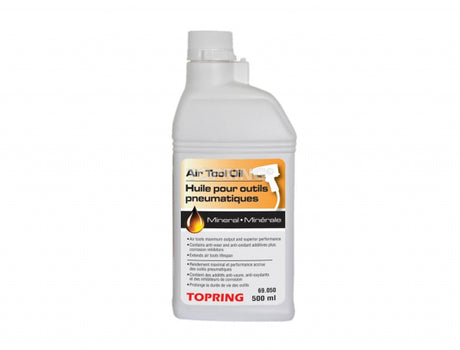
Topring
Regular price CA$47.43Unit price /UnavailableLow stock (7 units)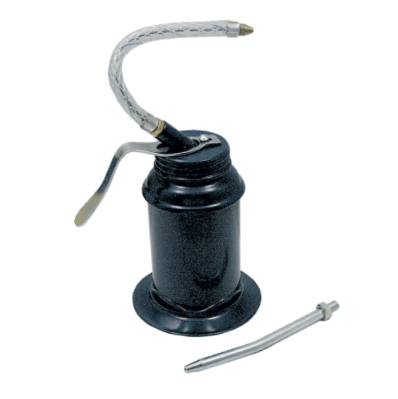
Our recommendations
-
 Sold out
Rolair
LIGHTWEIGHT PORTABLE COMPRESSOR 5.3GAL 2.5HP
Regular price CA$719.00Unit price /Unavailable -

Makita
Makita AC001GZ XGT 40Vmax Brushless Air Compressor (Tool)
Regular price CA$529.00Unit price /UnavailableVery low stock (1 unit) -

Dewalt
DEWALT 20 GAL VERTICAL COMPRESSOR DXCM20020US
Regular price CA$899.00Unit price /UnavailableVery low stock (2 units) -

Lincoln Electric
P100 LINCOLN REPLACEMENT FILTERS (PAIR)
Regular price CA$14.84Unit price /UnavailableLow stock (9 units) -

Milwaukee
Regular price CA$20.50Unit price /UnavailableVery low stock (1 unit) -

Dentec safety
PAIR OF DENTEC P100 FILTERS 15FDISKITP100
Regular price CA$8.50Unit price /UnavailableIn stock (15 units) -

Dentec safety
PAIR OF DENTEC 15F158TLPOCAM LOW PROFILE P100 FILTERS
Regular price CA$17.33Unit price /UnavailableLow stock (4 units) -

-

-

Zep
SHELL SHOCK POWERFUL HAND CLEANSER 3.78L
Regular price CA$37.21Unit price /UnavailableIn stock (22 units)




A complete guide to choosing your professional industrial oils
What oil viscosity should you choose depending on your industrial application?
The viscosity of industrial oils, measured in ISO VG (Viscosity Grade), directly determines their lubrication capacity according to loads, speeds, and operating temperatures. ISO VG 32 and 46 hydraulic oils are suitable for standard hydraulic systems operating at ambient temperatures of 15 to 40°C and pressures of 150 to 3000 PSI.
VG 32 is for light and high-speed applications, while VG 46 is for general use, covering 80% of industrial hydraulic systems. Gear oils require higher viscosities, from ISO VG 150 to 680, to withstand the heavy loads and low speeds typical of gearboxes and transmissions.
VG 150-220 for high-speed gears under medium loads, VG 320-460 for standard applications, VG 680 for extreme loads and very low speeds where the lubricant film must withstand high contact pressures without breaking. Cutting oils for machine tools use low viscosities from ISO VG 15 to 68, allowing
Efficient cooling and rapid chip removal. Water-soluble or neat oil formulations depending on the machined materials and cutting speeds. Air compressors require specialized ISO VG 32 to 100 oils resistant to temperatures of 80 to 120°C and with efficient separation of condensate.
Polar Industrial Equipment recommends consulting equipment manuals for exact manufacturer specifications to ensure compatibility and optimal performance.
VG 32 is for light and high-speed applications, while VG 46 is for general use, covering 80% of industrial hydraulic systems. Gear oils require higher viscosities, from ISO VG 150 to 680, to withstand the heavy loads and low speeds typical of gearboxes and transmissions.
VG 150-220 for high-speed gears under medium loads, VG 320-460 for standard applications, VG 680 for extreme loads and very low speeds where the lubricant film must withstand high contact pressures without breaking. Cutting oils for machine tools use low viscosities from ISO VG 15 to 68, allowing
Efficient cooling and rapid chip removal. Water-soluble or neat oil formulations depending on the machined materials and cutting speeds. Air compressors require specialized ISO VG 32 to 100 oils resistant to temperatures of 80 to 120°C and with efficient separation of condensate.
Polar Industrial Equipment recommends consulting equipment manuals for exact manufacturer specifications to ensure compatibility and optimal performance.
Mineral oils versus synthetic oils: understanding the essential differences
Mineral industrial oils, derived from petroleum refining, offer acceptable performance for standard applications at moderate temperatures from 0 to 60°C. Prices range from $20 to $80 for 20 liters, depending on viscosity and additives. Oil change intervals range from 1000 to 3000 operating hours, depending on conditions.
Universal compatibility with standard seals and materials without risk of swelling or deterioration. Suitable for 70% of common industrial applications without extreme thermal requirements. Synthetic oils, produced by controlled chemical synthesis, excel in extreme conditions from -40°C to +150°C where mineral oils degrade. Superior thermal stability prevents the formation of deposits and sludge that reduce efficiency by 30 to 50%.
Extended drain intervals of 3,000 to 10,000 hours reduce maintenance frequency and downtime. Prices 150% to 300% higher are justified by tripled service life and superior protection in critical applications.
Semi-synthetic oils combine mineral and synthetic bases, offering a compromise between performance and price.
A 40 to 60% improvement in thermal resistance compared to pure minerals at an additional cost of 30 to 50%. For standard equipment operating at normal temperatures, minerals are sufficient. For high-temperature compressors, outdoor mobile hydraulic systems, or extreme environments, synthetics are essential.
Polar Industrial Equipment recommends evaluating actual operating conditions to optimize the cost-benefit ratio.
Universal compatibility with standard seals and materials without risk of swelling or deterioration. Suitable for 70% of common industrial applications without extreme thermal requirements. Synthetic oils, produced by controlled chemical synthesis, excel in extreme conditions from -40°C to +150°C where mineral oils degrade. Superior thermal stability prevents the formation of deposits and sludge that reduce efficiency by 30 to 50%.
Extended drain intervals of 3,000 to 10,000 hours reduce maintenance frequency and downtime. Prices 150% to 300% higher are justified by tripled service life and superior protection in critical applications.
Semi-synthetic oils combine mineral and synthetic bases, offering a compromise between performance and price.
A 40 to 60% improvement in thermal resistance compared to pure minerals at an additional cost of 30 to 50%. For standard equipment operating at normal temperatures, minerals are sufficient. For high-temperature compressors, outdoor mobile hydraulic systems, or extreme environments, synthetics are essential.
Polar Industrial Equipment recommends evaluating actual operating conditions to optimize the cost-benefit ratio.
Additives and formulations: advanced protection technologies
Lenox develops cutting oils with extreme pressure (EP) additives containing sulfur, phosphorus, and chlorine, which form protective films on metal surfaces under high contact pressures. This reduces friction by 40 to 60% during machining of hard metals such as stainless steel and titanium.
Soluble formulations offer superior cooling, eliminating heat of 200 to 400°C generated during high-speed cutting. Corrosion inhibitors protect machines and machined parts from oxidation during storage. Hangsterfer's offers hydraulic oils with anti-wear (AW) additives that create protective molecular layers on pumps, cylinders, and valves. This extends component life by 50 to 100% compared to oils without additives.
Anti-foaming agents eliminate the formation of air bubbles that compromise pressure transmission and cause cavitation, damaging pumps. Viscosity index modifiers maintain constant fluidity between -20°C and +60°C, typical of Quebec workshops. Gear oils incorporate EP additives that withstand contact pressures of 1000 to 3000 MPa in gear teeth without seizing.
Detergents and dispersants maintain internal cleanliness by suspending wear particles and contaminants, preventing deposit formation. Antioxidants prevent thermal degradation and the formation of corrosive acids during repeated thermal cycles. Prices range from $50 to $200 per 20 liters, reflecting the complexity of the formulations.
Polar Industrial Equipment stocks premium oils for the most demanding applications requiring maximum protection.
Soluble formulations offer superior cooling, eliminating heat of 200 to 400°C generated during high-speed cutting. Corrosion inhibitors protect machines and machined parts from oxidation during storage. Hangsterfer's offers hydraulic oils with anti-wear (AW) additives that create protective molecular layers on pumps, cylinders, and valves. This extends component life by 50 to 100% compared to oils without additives.
Anti-foaming agents eliminate the formation of air bubbles that compromise pressure transmission and cause cavitation, damaging pumps. Viscosity index modifiers maintain constant fluidity between -20°C and +60°C, typical of Quebec workshops. Gear oils incorporate EP additives that withstand contact pressures of 1000 to 3000 MPa in gear teeth without seizing.
Detergents and dispersants maintain internal cleanliness by suspending wear particles and contaminants, preventing deposit formation. Antioxidants prevent thermal degradation and the formation of corrosive acids during repeated thermal cycles. Prices range from $50 to $200 per 20 liters, reflecting the complexity of the formulations.
Polar Industrial Equipment stocks premium oils for the most demanding applications requiring maximum protection.
Professional applications: hydraulics, gears and machine tools
Industrial hydraulic systems require ISO VG 32 to 68 oils with the appropriate viscosity for efficient power transmission from pumps to hydraulic cylinders and motors. Pressures from 150 to 3000 PSI demand strong, non-breakdown lubricating films under load.
10-micron filtration removes abrasive particles, extending component life by 5 to 10 years. Drain intervals range from 2000 to 4000 hours depending on contamination and operating temperatures.
Gearboxes and reducers use ISO VG 220 to 460 oils supporting tooth contact loads reaching 1500 to 3000 MPa.
Lubrication by splash lubrication or forced circulation depending on dimensions and speeds. Operating temperatures from 60 to 90°C require oils resistant to thermal oxidation. Oil changes every 5,000 to 10,000 hours or annually depending on the intensity of use.
Precision machine tools require cutting oils that reduce friction between tools and workpieces while dissipating cutting heat.
Flow rates from 5 to 50 liters per minute depending on the operation. Soluble formulations diluted to 3-10% in water for milling and turning steels, neat oils for demanding machining of stainless steel and titanium. Concentration and bacterial contamination monitoring is essential for consistent performance.
Polar Industrial Equipment provides complete solutions including oils, circulation pumps and filtration systems for production optimization.
10-micron filtration removes abrasive particles, extending component life by 5 to 10 years. Drain intervals range from 2000 to 4000 hours depending on contamination and operating temperatures.
Gearboxes and reducers use ISO VG 220 to 460 oils supporting tooth contact loads reaching 1500 to 3000 MPa.
Lubrication by splash lubrication or forced circulation depending on dimensions and speeds. Operating temperatures from 60 to 90°C require oils resistant to thermal oxidation. Oil changes every 5,000 to 10,000 hours or annually depending on the intensity of use.
Precision machine tools require cutting oils that reduce friction between tools and workpieces while dissipating cutting heat.
Flow rates from 5 to 50 liters per minute depending on the operation. Soluble formulations diluted to 3-10% in water for milling and turning steels, neat oils for demanding machining of stainless steel and titanium. Concentration and bacterial contamination monitoring is essential for consistent performance.
Polar Industrial Equipment provides complete solutions including oils, circulation pumps and filtration systems for production optimization.
Maintenance and management: extending the lifespan of your industrial oils
Proper maintenance of industrial oils extends drain intervals and reduces operating costs by 30 to 50%. Monitor the level daily and top up as needed, preventing dry running which can damage pumps and components in 15 to 30 minutes.
Check colour and odor weekly: excessive blackening indicates contamination by metallic particles, acrid odor reveals thermal oxidation requiring immediate replacement.
Analyze hydraulic oils quarterly by measuring viscosity, water content and particulate contamination.
Viscosity varying by ±10% of the original specification indicates degradation. Water exceeding 500 ppm compromises lubrication and causes corrosion. Continuous 10-micron filtration removes 80 to 95% of abrasive particles before they can damage components. Filter replacement every 500 to 1000 hours depending on environmental contamination.
Store drums in covered areas at temperatures between 5 and 30°C to prevent condensation and additive separation. Rotate inventory according to the first-in, first-out (FIFO) principle to prevent aging exceeding 2 to 3 years for mineral oils and 5 years for synthetic oils. Clearly label with receipt dates and viscosities to prevent accidental mixing. Dispose of used oils through certified collection points in accordance with Quebec environmental regulations.
Polar Industrial Equipment offers technical advice and analysis kits for optimizing preventive maintenance programs to maximize operational profitability.
Check colour and odor weekly: excessive blackening indicates contamination by metallic particles, acrid odor reveals thermal oxidation requiring immediate replacement.
Analyze hydraulic oils quarterly by measuring viscosity, water content and particulate contamination.
Viscosity varying by ±10% of the original specification indicates degradation. Water exceeding 500 ppm compromises lubrication and causes corrosion. Continuous 10-micron filtration removes 80 to 95% of abrasive particles before they can damage components. Filter replacement every 500 to 1000 hours depending on environmental contamination.
Store drums in covered areas at temperatures between 5 and 30°C to prevent condensation and additive separation. Rotate inventory according to the first-in, first-out (FIFO) principle to prevent aging exceeding 2 to 3 years for mineral oils and 5 years for synthetic oils. Clearly label with receipt dates and viscosities to prevent accidental mixing. Dispose of used oils through certified collection points in accordance with Quebec environmental regulations.
Polar Industrial Equipment offers technical advice and analysis kits for optimizing preventive maintenance programs to maximize operational profitability.