
 Sold out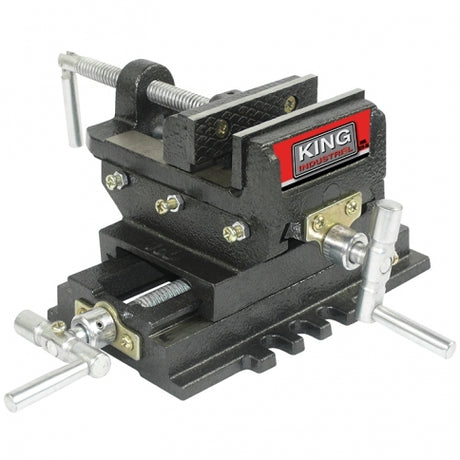
King Canada
MILLING MACHINE VICE 6" 2 AXES
Regular price CA$129.90Unit price /UnavailableVery low stock (1 unit)

Our recommendations
-
 Sale
SaleIrwin record
Sale price From CA$229.00 Regular price CA$239.00Unit price /UnavailableIn stock (54 units) -

 Sale
SaleIrwin record
IRWIN 4935505 5" RECORD MULTI-PURPOSE WORKBENCH VICE
Sale price CA$223.80 Regular price CA$244.99Unit price /UnavailableLow stock (5 units) -
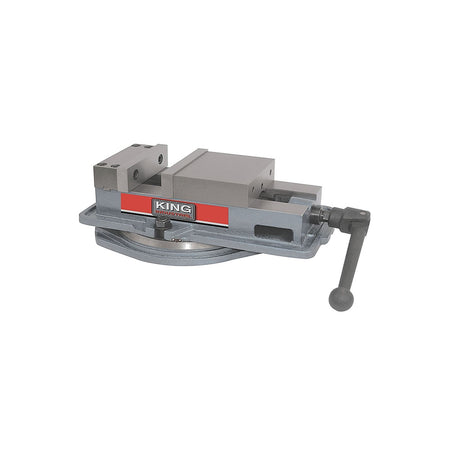
King Canada
Regular price CA$299.00Unit price /UnavailableVery low stock (1 unit) -

Équipement Polar
VISE-GRIP - PIPE CUTTER 12" GRIP-ON 186-12
Regular price CA$203.01Unit price /UnavailableVery low stock (1 unit) -

Fein Power Tools
Regular price CA$655.00Unit price /UnavailableLow stock (4 units) -

Wilton
Regular price CA$347.50Unit price /UnavailableLow stock (5 units) -

 Sold out




How to Choose the Right Bench Vise for Your Workshop
Swivel Base or Fixed Base: Which Model for Your Work
Two main families of bench vises coexist in the professional workshop. The fixed-base vise is ideal for repetitive work at a constant angle, where absolute stability is required. Ductile iron handles impacts better than ordinary cast steel, with a stress tolerance of 40,000 PSI.
The 360° swivel-base vise is the choice of mechanics and versatile shops. It lets you reposition the workpiece without loosening the vise, reducing handling time on complex operations. Irwin Record and Wilton models combine free rotation and solid locking with jaw openings up to 9 inches.
The 360° swivel-base vise is the choice of mechanics and versatile shops. It lets you reposition the workpiece without loosening the vise, reducing handling time on complex operations. Irwin Record and Wilton models combine free rotation and solid locking with jaw openings up to 9 inches.
Ductile Iron, Forged Steel or Cast Steel: The Differences That Matter
Ductile iron is the standard for professional bench vises. It absorbs impacts without cracking and withstands clamping forces from 2,640 to 6,000 lbs without permanent deformation. A ductile iron vise has a tensile strength of 60,000 PSI, compared to 20,000 PSI for gray cast iron.
Forged steel offers superior strength and tighter tolerances on the jaws, making it the choice for machine shops. The hardened steel jaws on Wilton models resist marking and maintain their flatness after thousands of clamping cycles. For general shop use, ductile iron remains the best balance of durability and value.
Forged steel offers superior strength and tighter tolerances on the jaws, making it the choice for machine shops. The hardened steel jaws on Wilton models resist marking and maintain their flatness after thousands of clamping cycles. For general shop use, ductile iron remains the best balance of durability and value.
4, 5, 6 or 8 Inch Vise: Finding the Right Size for the Job
The jaw width determines the maximum workpiece size you can grip. A 4-inch vise is suited for precision work, small mechanical parts, and electronics. The 5- to 6-inch size is the most versatile for a general shop, covering woodworking, light metalworking, and common mechanical repairs.
For heavy-duty work, the 8-inch vise with integrated anvil is the reference tool. A jaw opening of 8 to 9 inches lets you work large pieces or use the vise as a small press. An 8-inch ductile iron model often weighs over 55 lbs, ensuring workbench stability even under heavy load.
For heavy-duty work, the 8-inch vise with integrated anvil is the reference tool. A jaw opening of 8 to 9 inches lets you work large pieces or use the vise as a small press. An 8-inch ductile iron model often weighs over 55 lbs, ensuring workbench stability even under heavy load.
Installing and Maintaining Your Bench Vise: The Right Approach
Correct installation starts with positioning the fixed jaw slightly past the edge of the workbench. This position lets you clamp long pieces vertically without restriction. Use all base mounting holes with bolts and lock washers to prevent rotation under heavy lateral load.
Maintenance comes down to two essential steps. Lubricate the clamping screw and slides weekly in intensive production use, every two weeks in regular use, with a light oil such as SAE 30. Protect unpainted surfaces with an oiled cloth to prevent rust in humid environments or near water-based equipment.
Maintenance comes down to two essential steps. Lubricate the clamping screw and slides weekly in intensive production use, every two weeks in regular use, with a light oil such as SAE 30. Protect unpainted surfaces with an oiled cloth to prevent rust in humid environments or near water-based equipment.