

Lenox
BAND SAW BLADE CLAS-PRO 162'' (13' 6'') 1-1/4 4-6T LENOX 1793088
Regular price CA$84.63Unit price /UnavailableIn stock (17 units)
Lenox
BANDSAW BLADE CLAS-PRO 144'' (12') 1'' 8-12TPI LENOX 79657CLB123660
Regular price CA$64.53Unit price /UnavailableVery low stock (2 units)
Lenox
BAND SAW BLADE CLAS-PRO 162" (13' 6") 1" 5-8TPI LENOX 1792737
Regular price CA$67.04Unit price /UnavailableLow stock (6 units)
Lenox
BAND SAW CLAS-PRO 144'' (12') 1'' 4-6T LENOX 1792867
Regular price CA$68.11Unit price /UnavailableLow stock (9 units) Sold out
Lenox
BAND SAW BLADE CLAS-PRO 144" (12') 1" 3-4TPI LENOX 1792828
Regular price CA$64.53Unit price /Unavailable
Lenox
BAND SAW BLADE CLAS-PRO 116" (9' 8") 1" 3-4TPI LENOX 1807408
Regular price CA$54.81Unit price /UnavailableLow stock (3 units)
Lenox
44" 7/8" x 1/2" 18T Bandsaw (Pack of 3) 8011638EW18 Lenox
Regular price CA$43.68Unit price /UnavailableLow stock (4 units)
Makita
Makita XGT Barrel Jigsaw (Tool Only) JV001GZ
Regular price CA$349.00Unit price /UnavailableVery low stock (2 units)

Makita
Makita 18V LXT Lithium-Ion 6-1/2" Cordless Circular Saw DSS611Z with Durable Aluminum Base (Tool)
Regular price CA$139.00Unit price /UnavailableIn stock (11 units)
Dewalt
DEWALT 12" DOUBLE BEVEL MITER SAW DWS780
Regular price CA$889.00Unit price /UnavailableVery low stock (2 units)
 Sold out


Dewalt
ENS. 60V CHAIN SAW. 18'' (9AH)
Regular price CA$577.00Unit price /UnavailableLow stock (4 units)
 Sale
SaleDewalt
Sale price CA$299.00 Regular price CA$399.00Unit price /UnavailableVery low stock (2 units)

Dewalt
6-1/2" BRUSHLESS CIRCULAR SAW KIT
Regular price CA$419.00Unit price /UnavailableLow stock (3 units)

Dewalt
FLEXVOLT 16'' CHAIN SAW KIT (1x60V/9AH+charger)
Regular price CA$528.00Unit price /UnavailableLow stock (5 units)


Our recommendations
-

Diablo
10" DIABLO ALUM.80D SAW BLADE (D1080N)
Regular price CA$93.83Unit price /UnavailableLow stock (3 units) -

Bosch
10" 40 TEETH SAW BLADE BOSCH BCB10
Regular price CA$26.99Unit price /UnavailableLow stock (10 units) -

-
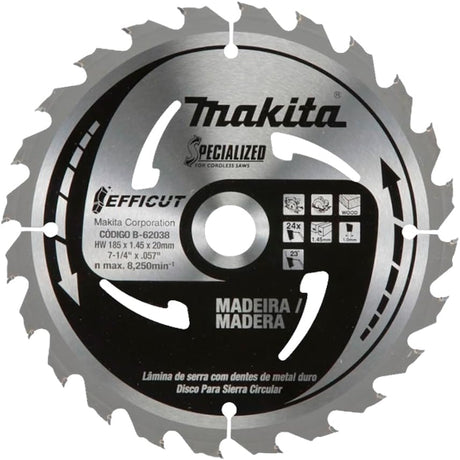
Makita
SAW BLADE 7-1/4 24D MAKITA EFFICUT B-61656
Regular price CA$37.56Unit price /UnavailableLow stock (5 units) -


Dewalt
DeWalt FlexVolt 20V/60V MAX 12 Ah Battery DCB612
Regular price CA$328.00Unit price /UnavailableLow stock (6 units) -


Milwaukee
Milwaukee M18 REDLITHIUM XC6.0 18V 6ah Battery 48-11-1865
Regular price CA$188.00Unit price /UnavailableLow stock (7 units) -

-

Dewalt
DEWALT 12V/20V MAX LITHIUM CHARGER
Regular price CA$129.00Unit price /UnavailableVery low stock (1 unit) -

Dewalt
DEWALT DWHT70485 3-PIECE PLIER SET
Regular price CA$52.00Unit price /UnavailableLow stock (6 units) -

Gearwrench
SET OF 3 GEARWRENCH PLIERS 82118
Regular price CA$129.00Unit price /UnavailableLow stock (7 units) -


Gray tools
Regular price CA$185.61Unit price /UnavailableLow stock (3 units) -

Jet
SET OF 4 JET 730353 HOSE CLAMPS
Regular price CA$39.84Unit price /UnavailableLow stock (7 units)




Complete Guide to Choosing a Professional Electric Saw
What type of electric saw fits which professional job?
The miter saw excels at repetitive angle cuts for trim and finishing work, while the reciprocating saw takes over for demolition and metal pipe cutting thanks to its narrow blade. The chainsaw rounds out the lineup for felling and limbing, with bar lengths of 30 to 40 cm depending on the DeWalt or Makita model.
Cordless or corded electric saw: how much runtime should you expect?
The advantage of going cordless: no extension cord to drag around the job site, and shared battery compatibility across circular saws, reciprocating saws and jigsaws on the same platform. Corded models still make sense in a fixed workshop, where constant power matters more than mobility.
What tooth count should you choose based on the material?
For a clean, splinter-free finish on plywood or melamine, a 60 to 80 tooth blade is the standard choice. Diablo and Lenox blades, compatible with DeWalt and Makita saws, hold up well on abrasive materials.
How do you maintain an electric saw through the Canadian winter?
Before winter, drain the fuel mix from gas chainsaws or add a stabilizer, and store batteries somewhere warm rather than in extreme cold to preserve their capacity. A dull blade forces the motor needlessly and should be replaced before it compromises the cut.
What accessories round out a professional electric saw?
Battery compatibility across tools on the same DeWalt or Makita platform simplifies the investment: one battery powers a circular saw, a reciprocating saw and a drill. A rigid carrying case protects the tool and spare blades between job sites.